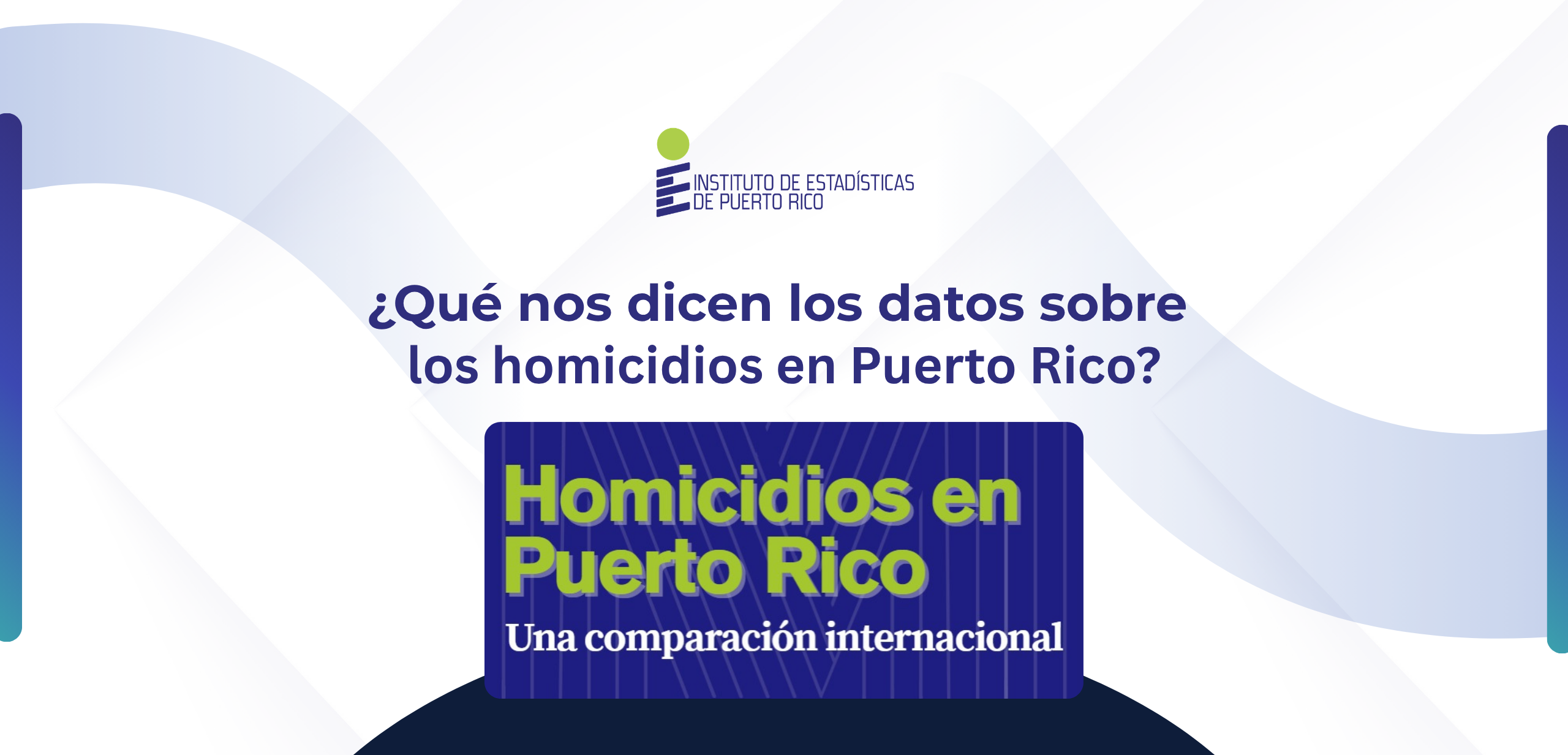

Key Homicide Data in Puerto Rico: An Analysis in the International Context
The Puerto Rico Violent Death Reporting System (PRVDRS), attached to the Puerto Rico Institute of Statistics, has published a new information capsule with 2024 data analyzing the archipelago's situation compared to the rest of the world.
Below, we highlight the most relevant findings regarding the incidence of homicides in Puerto Rico and worldwide:
Puerto Rico's Position in the Region
- Homicide Rate: Puerto Rico recorded a crude rate of 15.2 homicides per 100,000 inhabitants.
- Caribbean Ranking: Among the 11 countries and jurisdictions analyzed in the Caribbean region, Puerto Rico ranks 10th, placing below jurisdictions such as the Turks and Caicos Islands (103.2), Haiti (64.3), Trinidad and Tobago (41.5), and Jamaica (40.4).
- Compared to the Regional Average: Although Puerto Rico's figure (15.2) sits below the Latin America and Caribbean average (19.3), it remains nearly three times higher than the global homicide average (5.1 per 100,000 inhabitants).
Firearm Prevalence: Puerto Rico – The Second Highest Figure in the Region
- 89.2% of Homicides Involve Firearms: Nearly 9 out of 10 homicides in the archipelago are committed using a firearm.
- Regional Leader: Alongside Saint Kitts and Nevis (89.3%), Puerto Rico presented the highest proportion of firearm homicides in all of Latin America and the Caribbean.
- International Contrast: This figure far exceeds the global average for firearm homicides (67.2%). The document emphasizes that a large portion of these incidents in Puerto Rico is related to organized crime.
Comparison by Gender and Racial Groups (Puerto Rico vs. United States)
When adjusting rates by age and comparing Puerto Rico's population with various groups in the U.S., significant disparities by sex are observed:
- Men: Men in Puerto Rico present the second-highest homicide risk rate (32.5 per 100,000 inhabitants), surpassed only by Black men in the U.S. (41.5). This figure is considerably higher than that of Hispanic men (8.6) and White men (3.6) in the U.S.
- Women: The adjusted rate for women in Puerto Rico is 3.9 per 100,000 inhabitants, placing below the risk level observed in Black women (6.9) and Native American women (5.9) in the U.S.
For more information, download the information capsule in the Access the Document section.
About the Data Source
The PRVDRS was established in 2016 with support from the Centers for Disease Control and Prevention (CDC). The system consolidates and validates information from the Bureau of Forensic Sciences, the Puerto Rico Police, and the Demographic Registry of the Department of Health to generate rigorous and internationally comparable statistics.
Links of interest: Puerto Rico Violent Death Reporting System
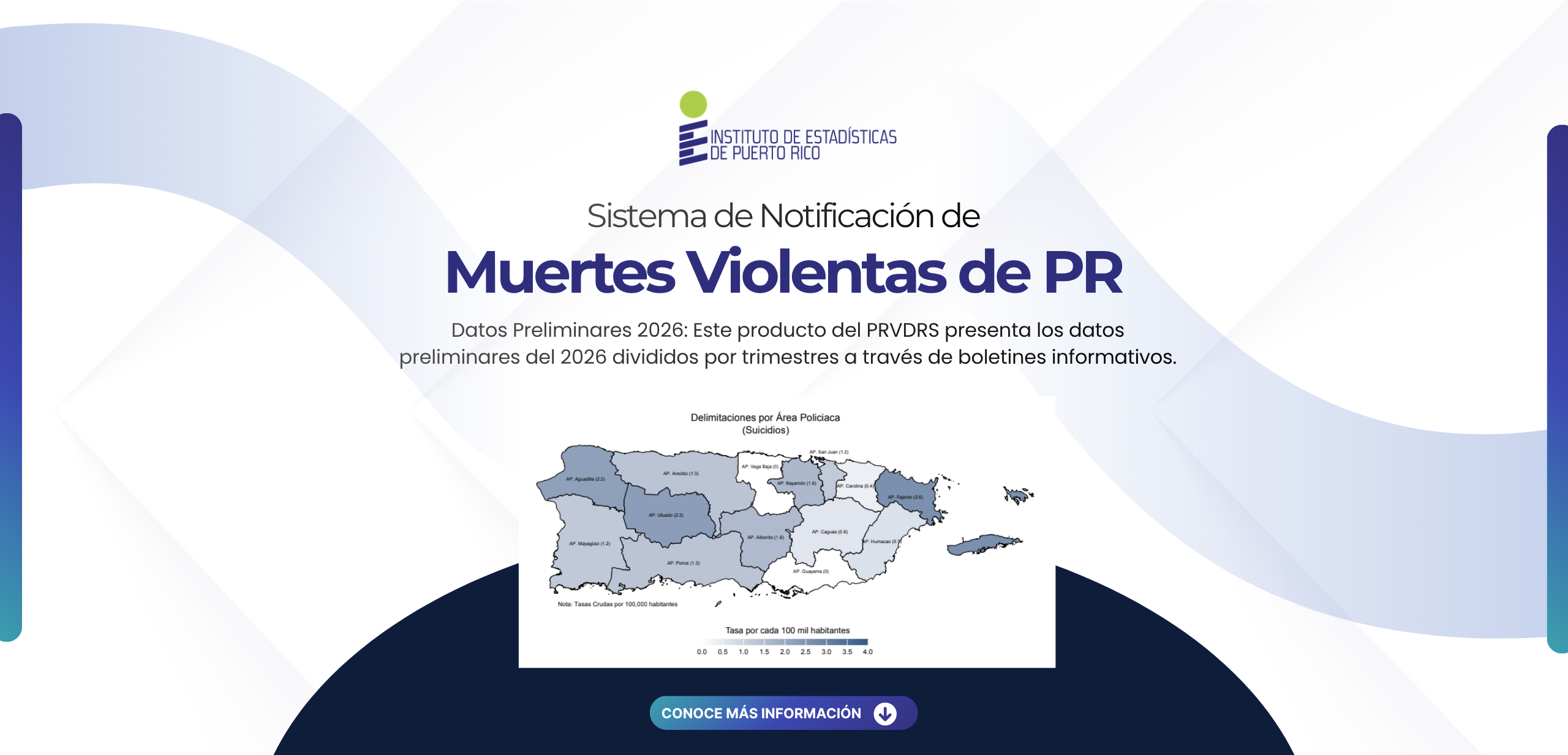
The Puerto Rico Violent Death Reporting System (PRVDRS), affiliated with the Puerto Rico Institute of Statistics, published today its most recent informative bulletin detailing preliminary data on violent deaths that occurred in the archipelago between January and March 2026.
First Quarter (Q1) Summary
During these first 90 days of the year, a total of 167 violent deaths were preliminarily registered. This represents an average of approximately two violent deaths per day (1.8). The system defines a violent death as one caused by the intentional use of physical force or power against oneself (suicides), another person, or against a group or community (homicides).
Findings on Homicides
70.0% of the violent deaths registered in this period (117 cases) were homicides. Regarding the demographic profile, it stands out that 97% of the victims were men, with the population aged 20 to 39 being the most affected (for both men and women). Firearms remained the primary instrument, used in 93.0% of the reported homicides.
Findings on Suicides
23.0% of the violent deaths corresponded to suicides, for a total of 38 cases. Approximately 8 out of 10 of these victims were men. The 40 to 59 age group accounted for half of the cases (50.0%). During this first quarter, the overall suicide rate stood at 1.2 per 100,000 inhabitants.
About the PRVDRS
Established in 2016 with the support of the Centers for Disease Control and Prevention (CDC), the PRVDRS collects and consolidates data from the Institute of Forensic Sciences, the Puerto Rico Police Department, and the Demographic Registry. This provides a clear and precise view of violence in the archipelago to help formulate informed prevention strategies.
Public Access
We invite citizens and health and safety professionals to explore the annual reports, quarterly bulletins, and other statistical products through our interactive digital magazine and portals:
• Digital Magazine: Sistema de Notificación de Muertes Violentas de Puerto Rico (PRVDRS) | PDF to Flipbook
• Interactive Tool: PRVDRS Dashboard
• Linktree: PRVDRS | Linktree
• Official Portal: Puerto Rico Statistics | Puerto Rico Violent Death Notification System

In 2020, the Puerto Rico Aging Index was estimated in 168, meaning there were approximately 168 people aged 65 or older for every 100 people under 15. By 2025, the indicator rose to 237, reflecting that for every 100 people under 15, there were nearly 237 older adults. Learn about the geographical distribution of municipalities for this index on the Institutes' Census Data and Information page (SDC-PR).
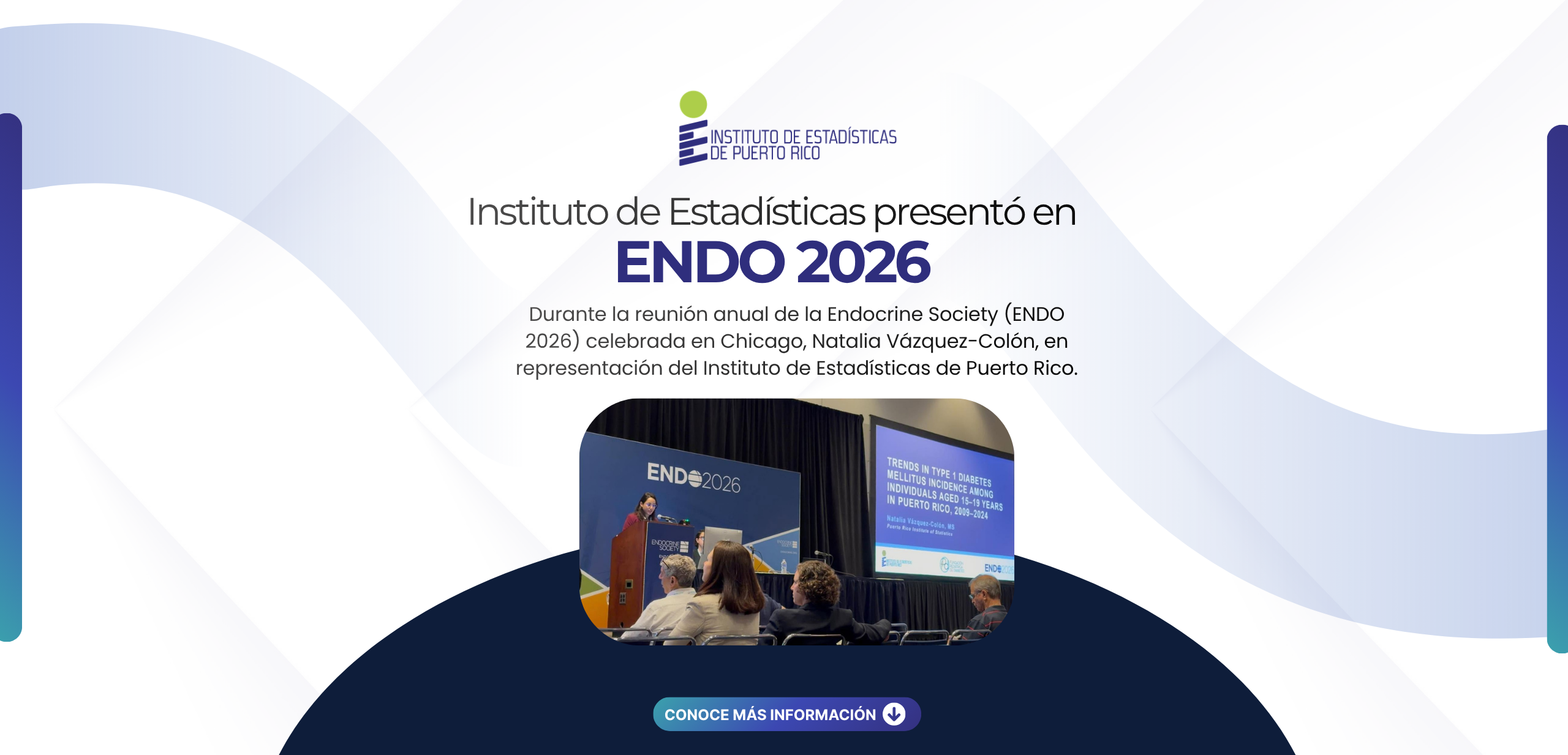
During the annual meeting of the Endocrine Society (ENDO 2026) held in Chicago, Natalia Vázquez-Colón, representing the Puerto Rico Institute of Statistics, presented original research on the incidence of type 1 diabetes in adolescents aged 15 to 19 in Puerto Rico.
The results showed an upward trend in incidence during the 2009–2024 period. The analysis identified a significant average annual growth of 4.1%.
The research was conducted through a collaboration between the Institute of Statistics and the Pediatric Diabetes Foundation. Participation in ENDO 2026 allowed for sharing scientific evidence generated in Puerto Rico with a highly prestigious national and international audience of researchers, academics, and clinicians.
Access a copy of the presentation at: Trends in Type 1 Diabetes Mellitus Among Individuals Aged 15-19 Years in Puerto Rico.
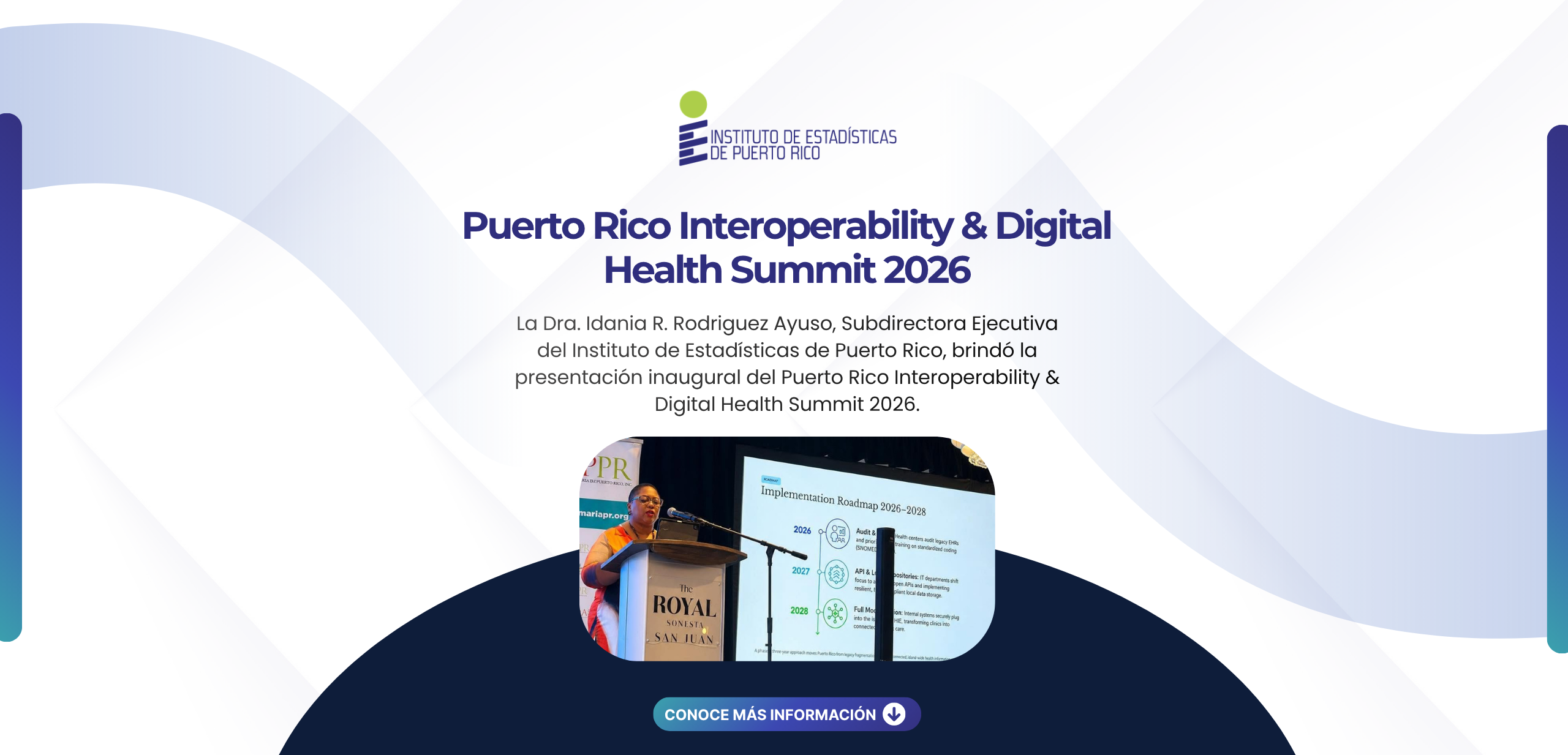
Dr. Idania R. Rodriguez Ayuso, Executive Deputy Director of the Puerto Rico Institute of Statistics, delivered the inaugural presentation at the Puerto Rico Interoperability & Digital Health Summit 2026.
This important event was organized by the Puerto Rico Primary Healthcare Association. Dr. Rodriguez presented on "Building a Data Driven Health System for Puerto Rico."
The event was attended by staff from Puerto Rico's 330 Centers, the U.S. Virgin Islands, and federal government personnel.

Some variables are easier to measure than others, but certain questions require special care, both in how they are formulated and in the instruments are used to collect them. One of the most complex is without a doubt, that related to people's ethnic and cultural origin, and also the skin color. In the most recent newsletter of the Puerto Rico State Data Center (SDC-PR) network brief notes are shared about the research on ethnic-racial identification and colorism that has been carried out from the Institute's. Access the current newsletter here, or explore previous newsletters and press releases from the SDC-PR network.
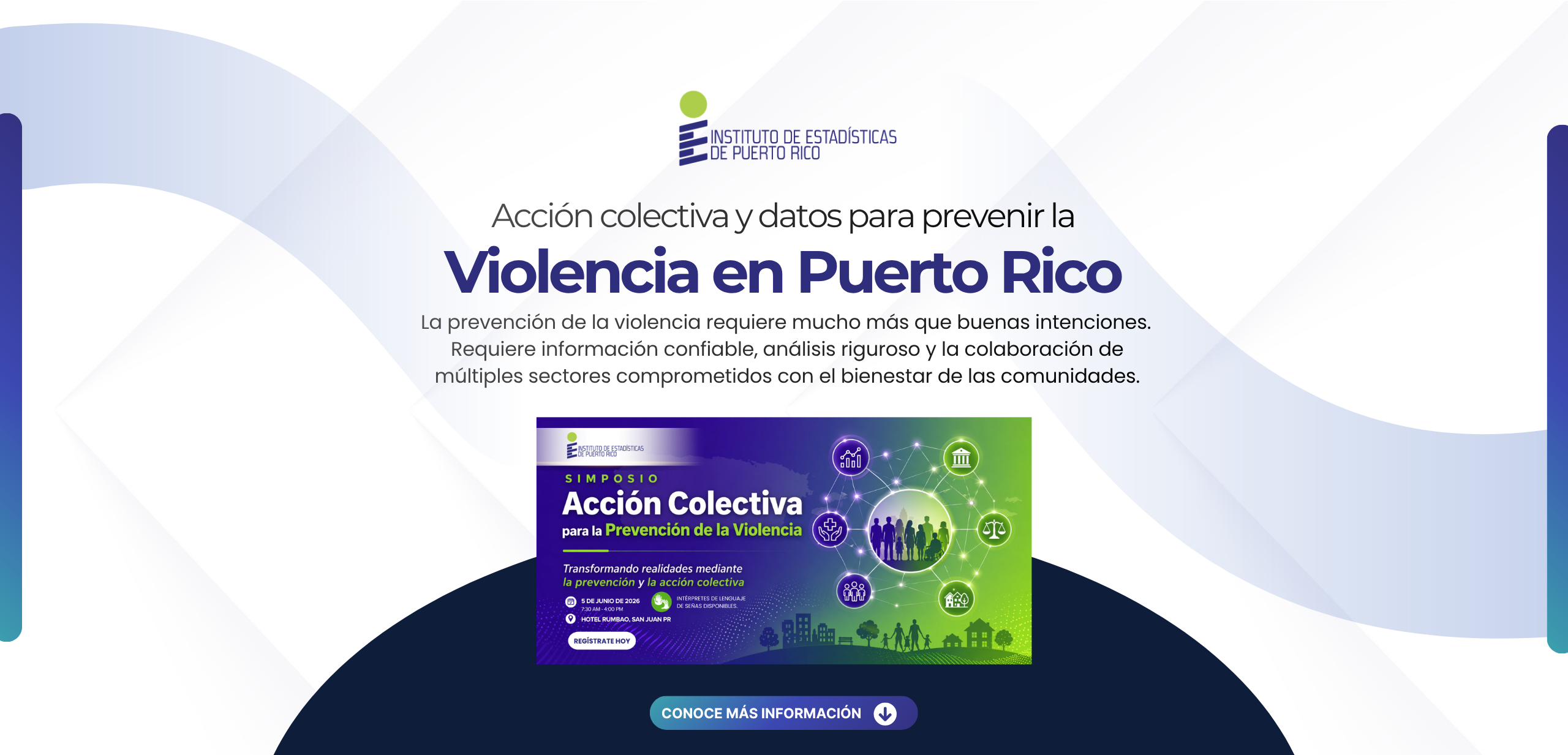
Symposium 2026
On June 5, 2026, the Puerto Rico Institute of Statistics hosted the Collective Action for Violence Prevention Symposium: Transforming Realities through Prevention and Collective Action. This event brought together professionals, public officials, organizations, and citizens interested in strengthening violence prevention efforts in Puerto Rico. The program addressed topics such as the current landscape of violence affecting infants and youth, public policy and substance use prevention, and multisectoral action for the protection of women and the eradication of sexual violence, among others. The presentations offered evidence-based analyses and multidisciplinary perspectives that contributed to the development of initiatives aimed at preventing violence, promoting safer environments, and improving the well-being of the population.
The Initiative
The purpose of the Collective Action for Violence Prevention symposium was to bring together professionals from various sectors to analyze, from an evidence-based perspective, the key challenges and strategies for preventing violence in Puerto Rico. This multisectoral initiative fostered a space for dialogue and action where organizations such as the Puerto Rico Institute of Statistics, the Department of Health, the Puerto Rico Police, and Iniciativa Comunitaria shared updated data on youth violence, substance use prevention policies, and the protection of women. In addition to strengthening institutional collaboration, the event offered formal training to attendees by granting hours in governmental ethics, integrating statistical rigor with social commitment to promote the safety and well-being of the population.
Special Guest Presentations
• • Mr. Alejandro Rodríguez-Putnam, Preventing Violent Firearm Deaths
• Dr. Glenda Dávila- Torres, Brega Bien Program: Risk Context
• Dr. Eduardo J. Zavala-Mendoza, Characterization of Emergency Room Visits and Hospitalizations for Overdose in Puerto Rico
• Ms. Keysha M. Maldonado Avilés, Data That Saves Lives
• Capt. Aymée M. Alvarado Cardona and Ms. Myribel H. Santiago, Sexual Assault within Domestic Violence
• Ms. Soé Rodríguez Alamo, Data for Action: Use of Tracking Systems, Hospital Audits, and Risk Assessment in Gender-Based Violence Prevention in Puerto Rico
• Ms. Edda Rocca López, Las Amigas
Puerto Rico Institute of Statistics
• Mr. Alberto L. Velázquez Estrada, Violent Deaths in Young Adults
• Dr. Diego E. Zavala, Typology of Violence Regional Context
• Dr. Francisco Pesante González, Child Maltreatment, Risk Behaviors, and Parenting Practices in Puerto Rico: A Statistical Overview
• Dr. Idania R. Rodríguez Ayuso, Sexual Coercion in Domestic Violence
Materials
Please let us know your satisfaction level with our services.
Visit our Official Activities, and participate with us
Visit our Calls for applications and be part of the new opportunities we have for you.
If you have any questions or just want to contact us, visit the Contact Us section.
We are at your disposal. If you need custom statistics, do not hesitate to contact us.
Sign up for our online workshops. Connect with the experts and discover the power of data!
Visit our Blog and keep up to date with the latest news and topics of interest.
Visit our Press Releases and stay connected to the Institute.
Explore the Publication Calendar and keep up to date with Puerto Rico's statistics.
Complete the form for the selection of our Statistics Coordination Committee
Suscribe to receive news directly to your email.
Listen to the Official PRIS podcast and stay informed with the experts

.png)
.png)
.png)
.png)

-p-130x130q80.png)
.png)
.png)
.png)
.png)
.png)
.png)
.png)
.png)
.png)
.png)
.png)