



Weekly statistics are presented on the number of Unemployment Insurance claims received by the Department of Labor and Human Resources. In addition, it includes data on how many beneficiaries are still receiving these benefits, among many other data on the operation of Unemployment Insurance in Puerto Rico and the states of the United States. Unemployment Insurance claims occur when a beneficiary employee ceases to be employed and goes to the offices of the Department of Labor and Human Resources to receive the benefits they are entitled to under the Unemployment Insurance program. Claims are recorded in a database and are provided to the U.S. Department of Labor who produces this statistical report.

It contains the Puerto Rico Manufacturing - Purchasing Managers' Index (PRM-PMI) and its component indices: New Orders, Production, Employment, Supplier Deliveries, Inventories. In addition, it includes indices on customer Inventories, Prices paid for company inputs, the Reserve of uncompleted orders, and new Orders for export. These indices are derived from information collected electronically from the largest manufacturing companies in Puerto Rico. The estimate is based on a dissemination index methodology, similar to that used in other countries and other states of the United States for similar indices. This Survey is the result of a collaboration with the Puerto Rico Industrial Association.

Informe detallado y comparativo que analiza el desempeño académico de las escuelas públicas en Puerto Rico. El documento utiliza datos históricos desde el 2019 hasta el 2025 para evaluar la evolución de la proficiencia estudiantil tras el periodo de la pandemia. Además, presenta un sistema de notas (A a F) diseñado por la organización ABRE Puerto Rico para calificar a cada plantel basándose en sus resultados académicos.
Nota: Este documento fue generado por entidades externas al Instituto de Estadísticas de Puerto Rico, por lo que no necesariamente el Instituto endosa el contenido, datos, y expresiones en este.

It includes statistics on the number of suspected and confirmed cases of the dengue virus, chikungunya and Zika. It includes information on confirmed cases by municipality.
It presents the monthly movement of passengers and cargo broken down by airport and pier.

System for compiling and managing statistical data on cases of femicide and transfemicide as defined in Article 93 of Law 146-2012, known as the Puerto Rico Criminal Code, as amended

It presents the results of the estimates of the 2010 Census Coverage Measures Program for Puerto Rico. Net coverage estimates, census coverage components, incomplete observations, and imputation characteristics are summarized.
Evaluation of the contribution and cost required for Retirement System commitments in accordance with the requirements of the Government Accounting Standards Board (actuarial study).

Original version of the UN report. Its objective was to assist in the development, coordination and organization of environmental statistics, at the national and international levels.
Analysis of the present and projected impact of the next 10 years of legislation aimed at stimulating the establishment of investors and local services for export. It presents a profile of the beneficiaries of Law 20 and 22 of 2012. Based on self-reported information from individuals or institutions covered by these laws.
.png)
.png)
.png)

To create the Puerto Rico Human Trafficking Observatory under the Puerto Rico Civil Rights Commission, to dispose of its powers and prerogatives, to provide for its organization, to create the position of Director of the Puerto Rico Human Trafficking Observatory, to grant it functions and duties, to require the creation and development of a Strategic Plan to combat human trafficking in Puerto Rico, as well as to establish the public policy of the Government of Puerto Rico; and for other purposes.
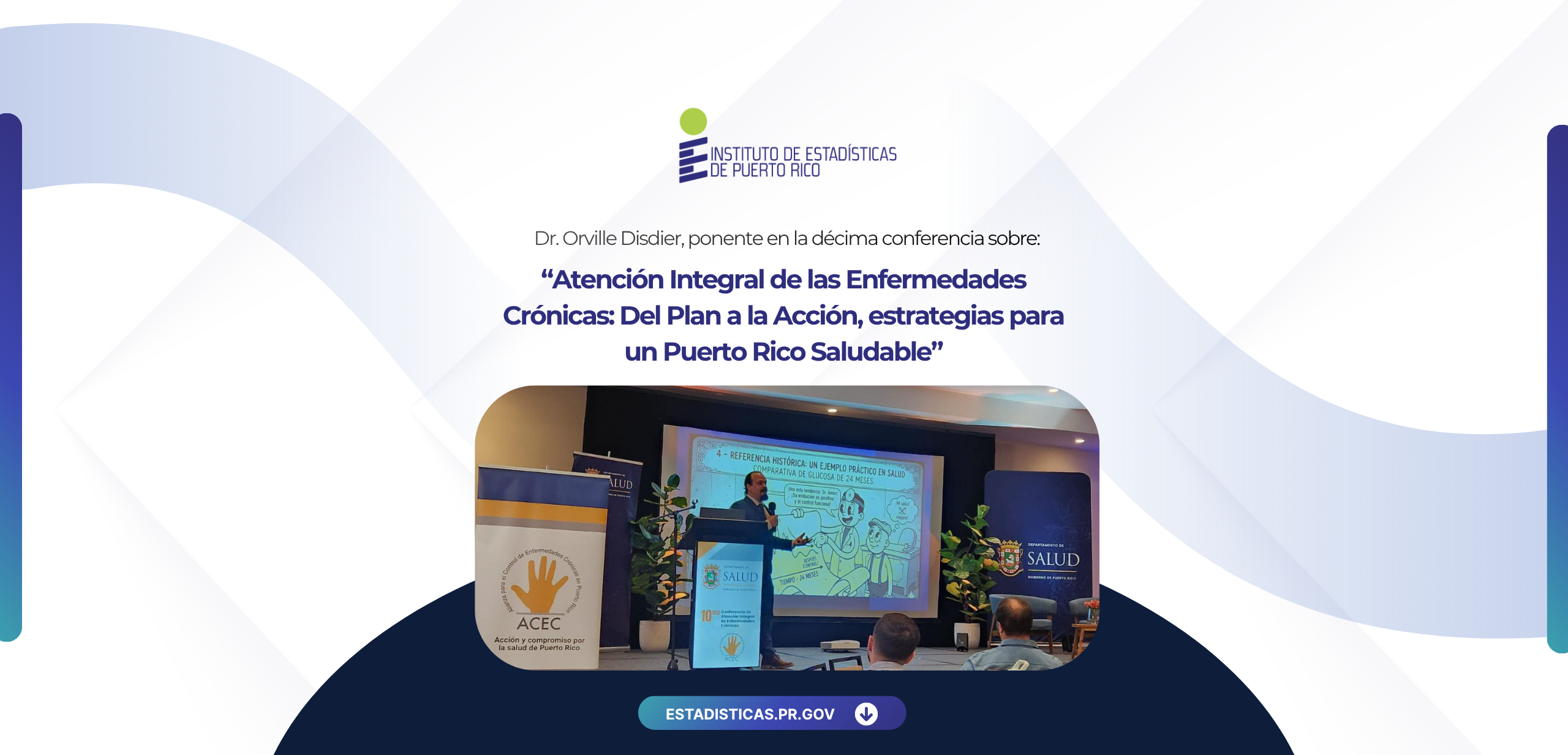
Dr. Orville M. Disdier, Executive Director of the Puerto Rico Institute of Statistics, was one of the speakers at the tenth conference on “Comprehensive Care for Chronic Diseases: From Plan to Action, Strategies for a Healthy Puerto Rico”.
In his presentation entitled “Data Communication and Dissemination Strategies”, Disdier emphasized the need for accurate and timely data to transform uncertainty into effective public policies.
Access a copy of the presentation at: https://drive.google.com/file/d/1s4kTRG7sKeevD4U-CV8w0_MYBdMsqumf.
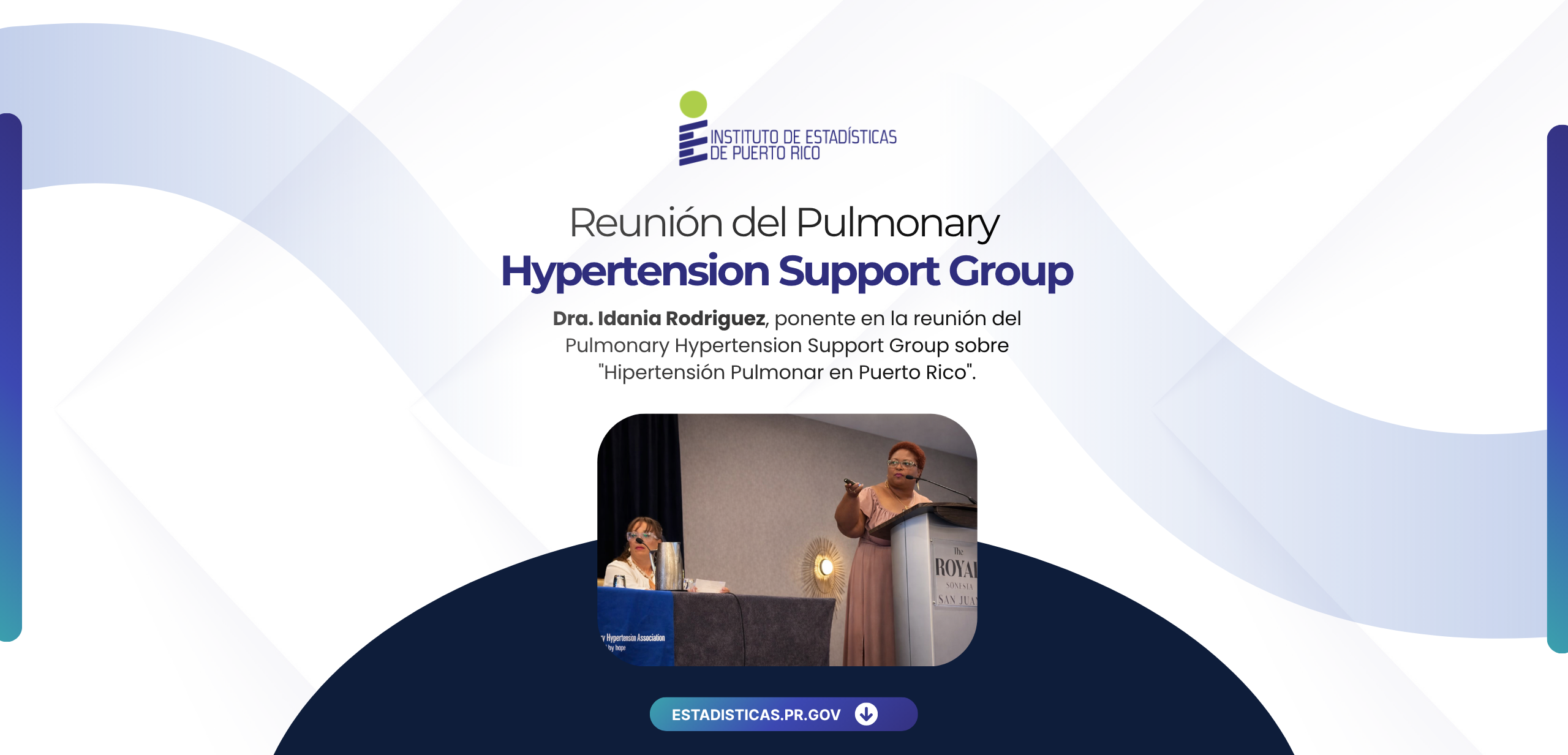
Puerto Rico Institute of Statistics Presents Statistics on Pulmonary Hypertension in Puerto Rico
Dr. Idania R. Rodriguez Ayuso, Deputy Executive Director of the Institute of Statistics, was a speaker at the Pulmonary Hypertension Support Group meeting. During her presentation, she presented the first statistics of pulmonary hypertension in Puerto Rico.
The results indicate that in 2024, 6,193 unique cases of pulmonary hypertension were registered: 69% in women and 31% in men. The prevalence was higher in people over 60 years of age and in the Southwest ASES region (178 cases per 100,000 inhabitants).
Access a copy of the presentation: Pulmonary Hypertension in Puerto Rico

The Puerto Rico Institute of Statistics has updated the dashboard of the Femicide Statistics Compilation and Management System. This dashboard presents data on femicides and transfemicides that have occurred in Puerto Rico since 2021.
It is now possible to view all recorded cases of femicides through 2025. From 2021 to 2025, a total of 116 femicides were recorded.
New variables have been added to the dashboard to enhance analysis. These include the victim’s employment status, the existence of protection orders, the relationship between the victim and the suspect, and cases of homicide followed by suicide. Additional variables were also incorporated to analyze the time and location of these incidents, including victims by month and day of the week. Furthermore, a map of Puerto Rico is included to show the distribution of cases by police regions.
Additionally, an informational infographic was published, presenting a summary of femicides from 2021 to 2024. This infographic displays data across different variables and includes simple explanations to facilitate understanding.
You may access the dashboard to view the data, definitions, and infographics from the Femicide Statistics Compilation and Management System at the following link: Femicide Statistics Compilation Management System
For more information, you may contact us at preguntas@estadisticas.pr. You can also follow us on our social media channels: Facebook (@estadisticas.pr), X (@EstadisticasPR), LinkedIn (Puerto Rico Institute of Statistics), and Instagram (@institutodeestadisticas).
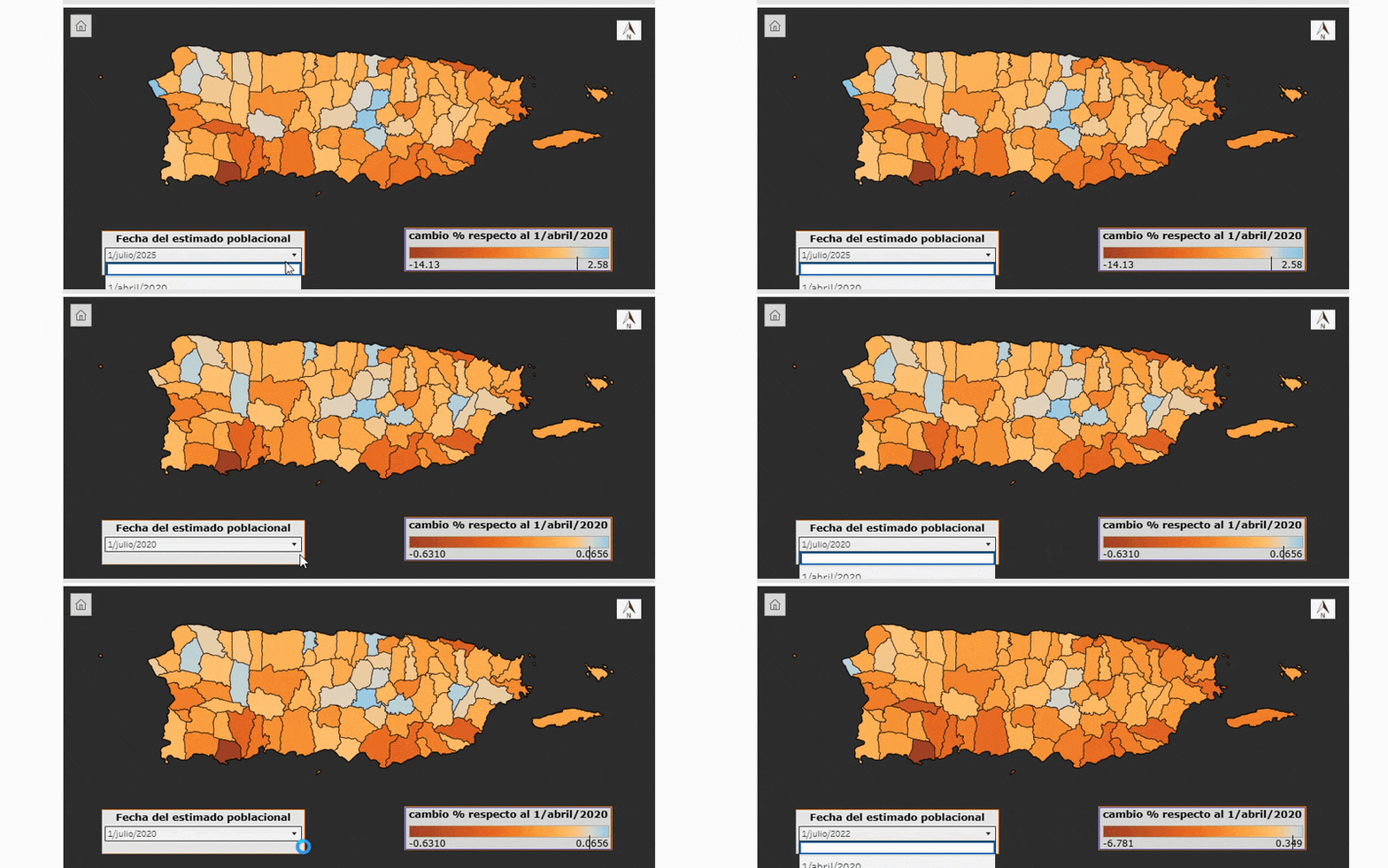
On Thursday, March 26, 2026, the United States Census Bureau released annual estimates of the total population at the municipal level. The estimates reference date is July 1 of each year of the current decade. Explore the visualization that summarizes the annual changes and the geographical distribution of the total population in the municipalities of Puerto Rico. Specifically, in relation to the base year or starting date of the decade, which is April 1, 2020.
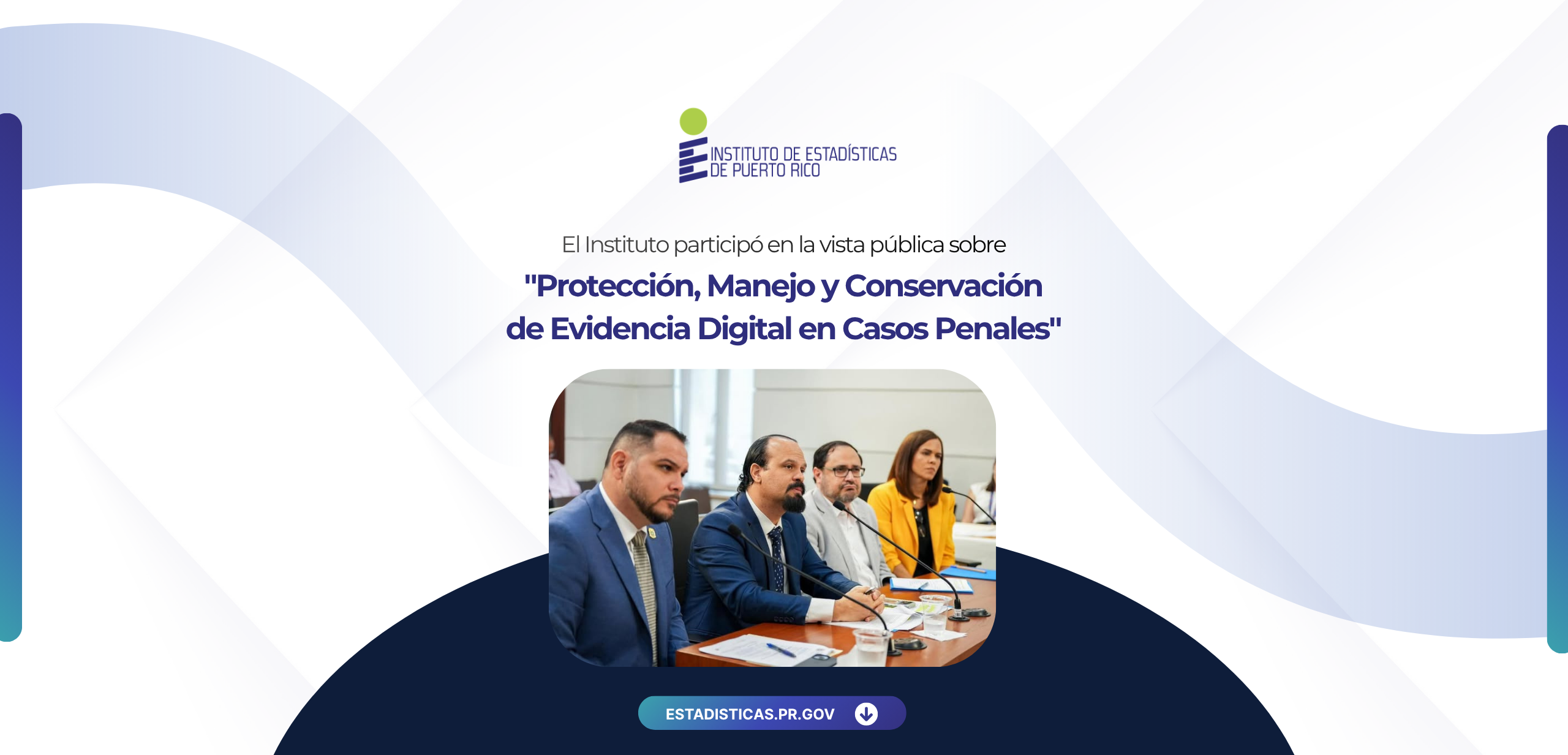
The Institute participated in the public hearing on “Protecting, Managing and Preserving Digital Evidence in Criminal Cases”.
From the Institute's perspective, the regulation of digital evidence in criminal proceedings must explicitly incorporate a statistical and data governance approach that strengthens the quality, integrity, traceability and availability of the information that underpins judicial and public policy decision-making.
The Institute recognizes the relevance of the proposed issues and supports the development of a legal framework that, in addition to establishing substantive obligations, enables the generation of indicators, standardized administrative records and interoperable systems to monitor the performance of the criminal justice system in terms of digital evidence, while respecting the principles of confidentiality, protection of personal data and fundamental rights.
Access the explanatory memorial: https://www.estadisticas.pr.gov/blogposts/memorial-explicativo-para-la-vista-publica-proteccion-manejo-y-conservacion-de-evidencia-digital-en-casos-penales
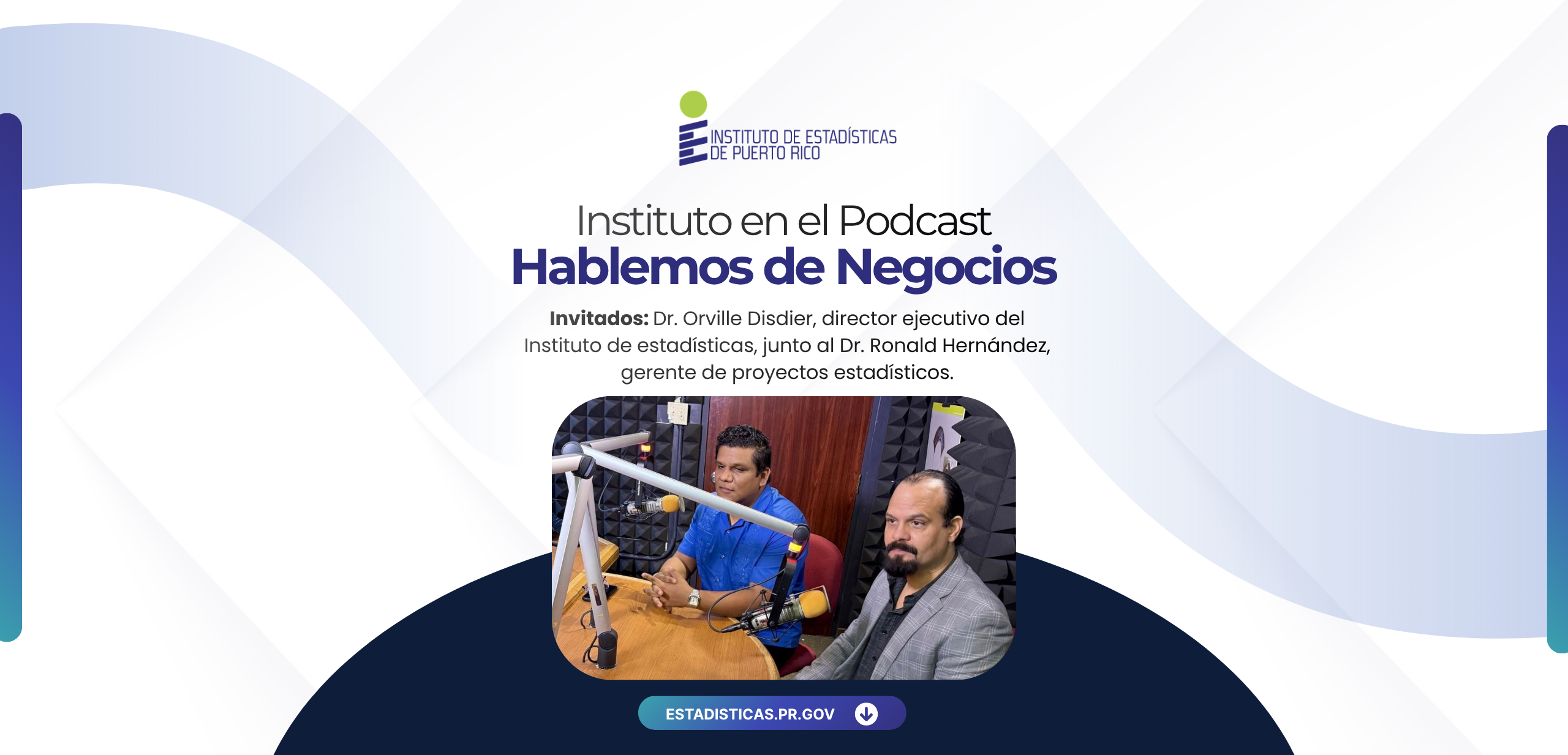
In the podcast Let's Talk About Business, Dr. Orville Disdier, executive director of the Puerto Rico Institute of Statistics, together with Dr. Ronald Hernández, manager of statistical projects, addressed various topics about the role of statistics in making informed decisions.
Among these issues, they highlighted one of the most debated — and often misinterpreted — concepts, inequality.
In a simple way, they describe it as the distance between those who have greater and lower purchasing power within a society. The larger that gap, the greater the inequality. In the case of Puerto Rico, they pointed out that, although not all people live in poverty, there is a significant difference between the extremes. Even if the group with the highest purchasing power is small, its impact on measurement is large due to this marked difference.
Why does it matter to understand this?
Because inequality is not just an economic fact. It is linked to social factors such as access to education, opportunities and even social tensions that can arise when the gaps are very wide.
In addition, the doctors emphasized that correctly interpreting these data makes it possible to better evaluate initiatives—such as economic aid or public policies—that seek to reduce this gap.
In short:
Understanding inequality is key to making informed decisions and building a more equitable society. We share the interview for the benefit of all and so that they can expand on these and other topics.
Access the interview: https://open.spotify.com/episode/5WDAUhFpJY9PKoQFoLmPV1?si=CtZVKuCKRMSg0h793ZbeGQ&pi=-e_fQ8PaS9WJi&t=17
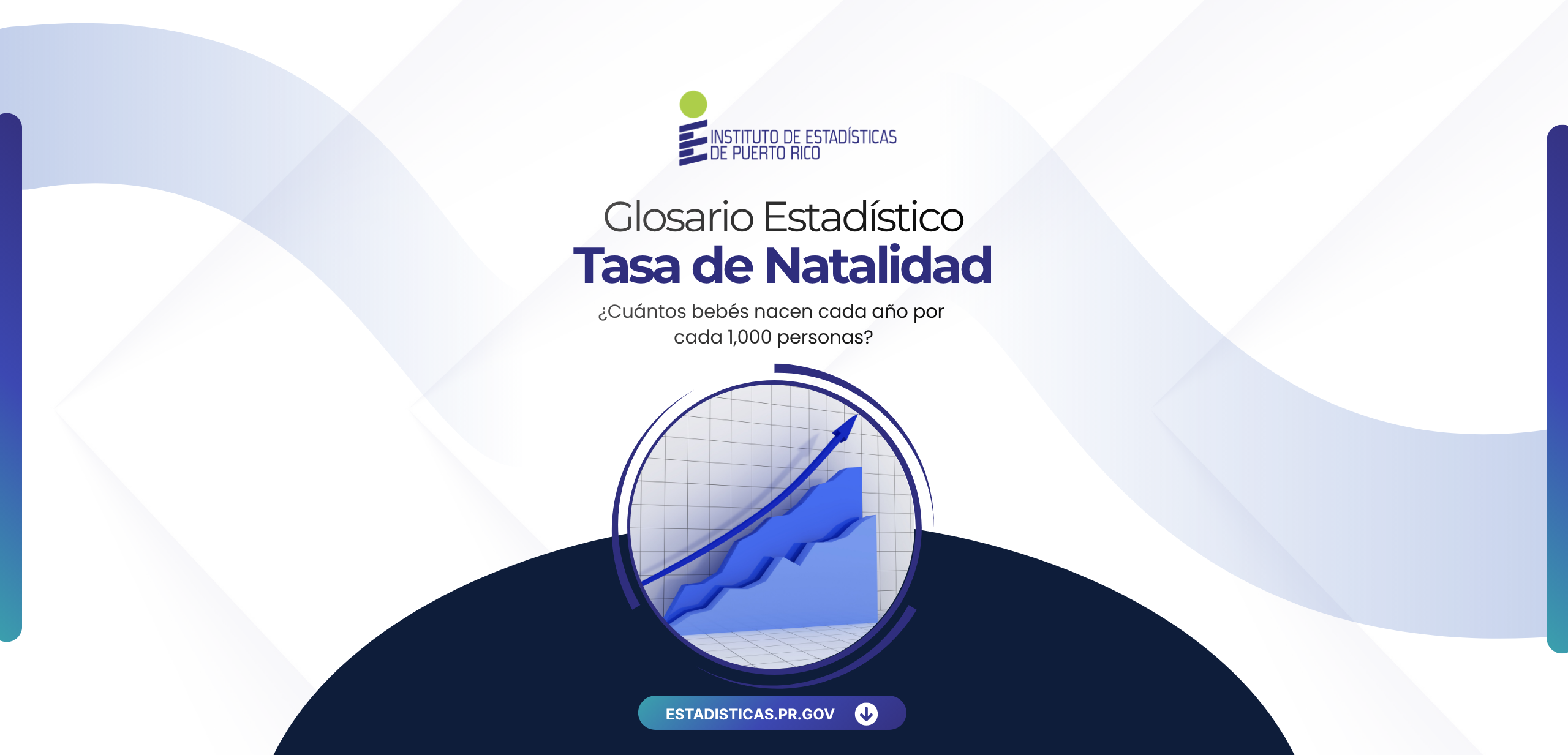
How many babies are born each year for every 1,000 people? This is the birth rate: a fundamental indicator for planning health and education services.
How many new members are joining our big family? The birth rate allows you to plan everything from schools to children's health services.
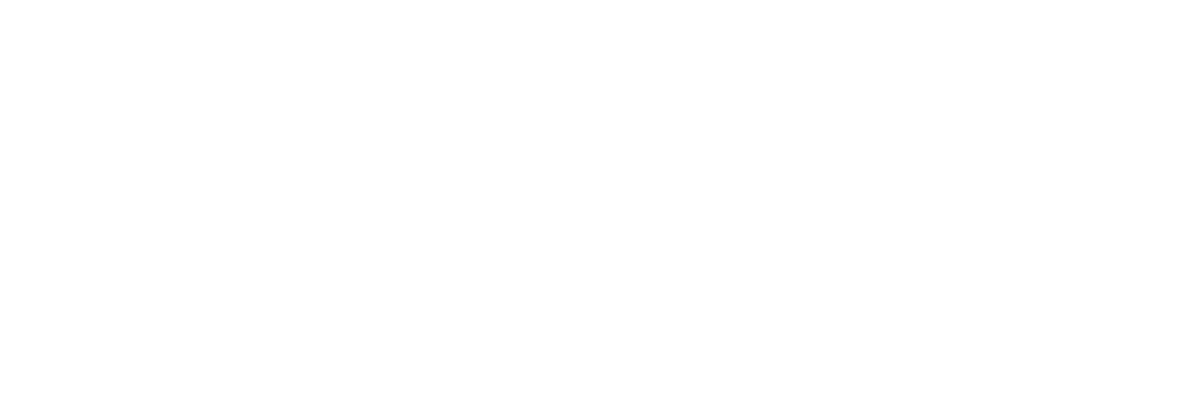
Memorial Explicativo solicitado por la Comisión Conjunta para la Revisión Continua del Código Penal de Puerto Rico del Senado para la vista pública "Protección, Manejo y Conservación de Evidencia Digital en Casos Penales".
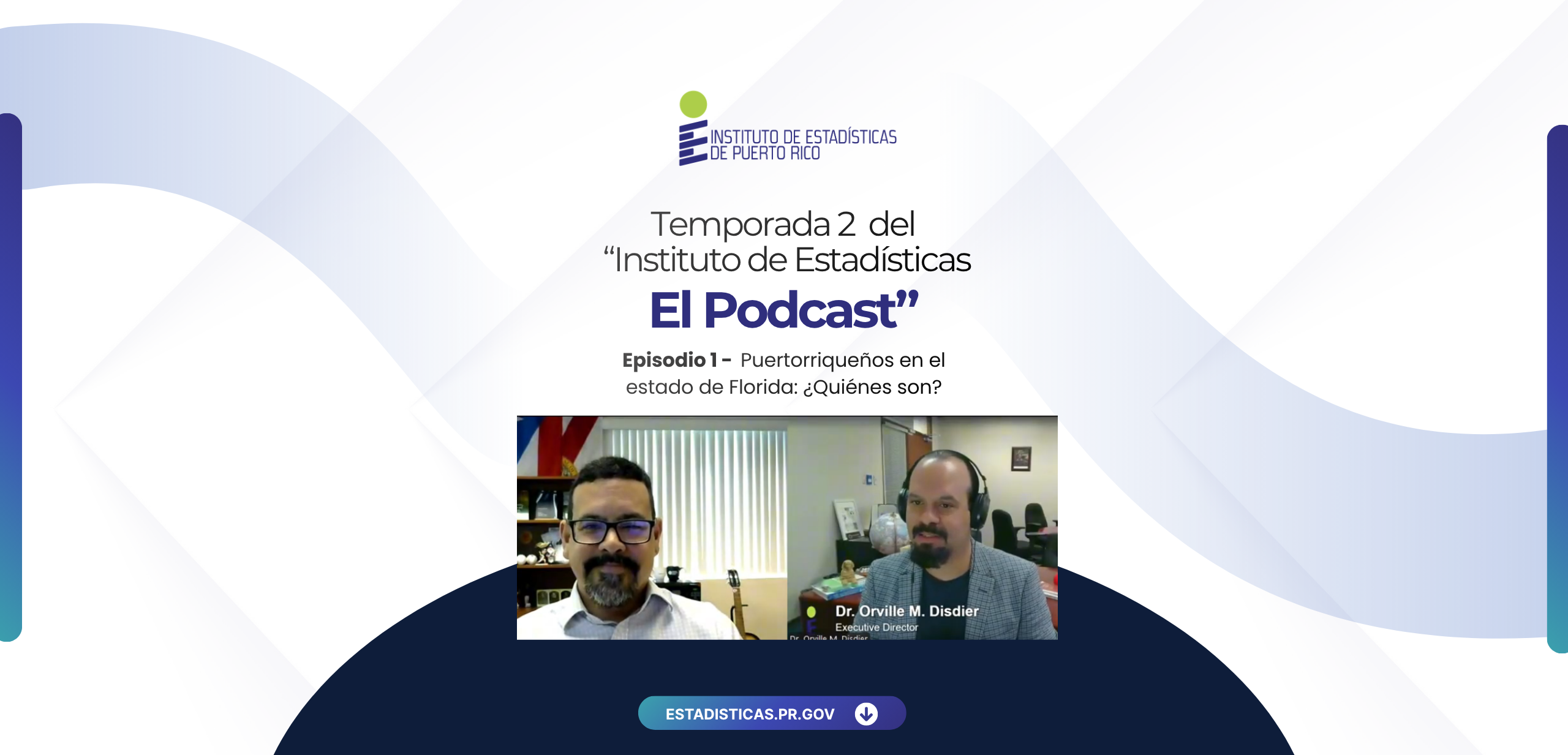
Season 2 has started!
Access Episode 1 of the new season of “The Institute of Statistics: The Podcast” (video version) and discover the demographic characteristics of Puerto Ricans living in the state of Florida.
In this episode, Dr. Orville M. Disdier, Executive Director of the Institute, and Dr. Fernando Rivera, of the Puerto Rico Research Hub, discuss the factors of attraction and drive, in addition to analyzing current challenges.
Watch the full episode on our YouTube channel: https://youtu.be/WXaty7W9XX8?si=XPF8HOCpyrBpCx8X.

.png)
.png)
.png)
.png)



.svg)