The Institute joins the Days of Activism against Gender-based Violence

Announcements
IEPR
29 December 2025

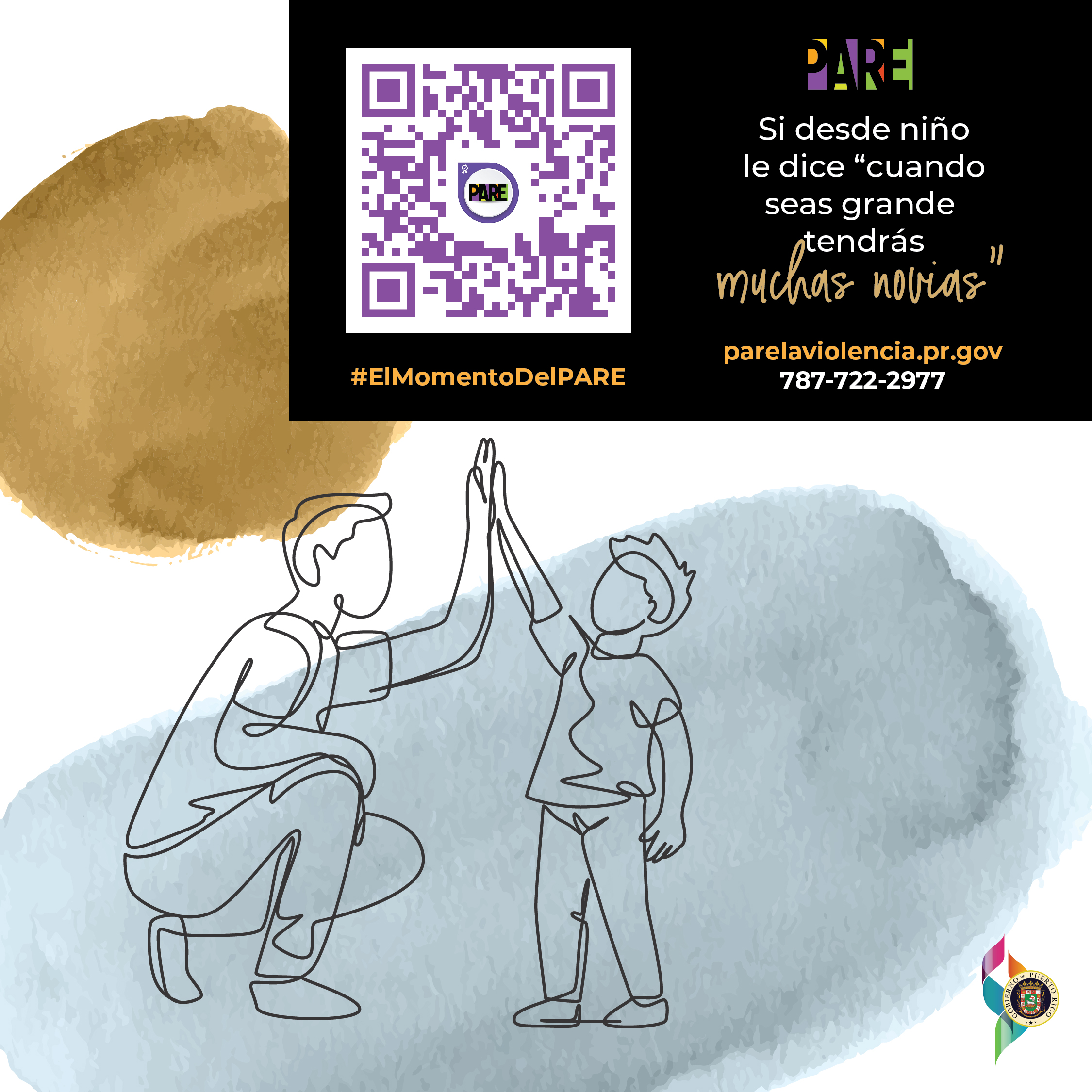
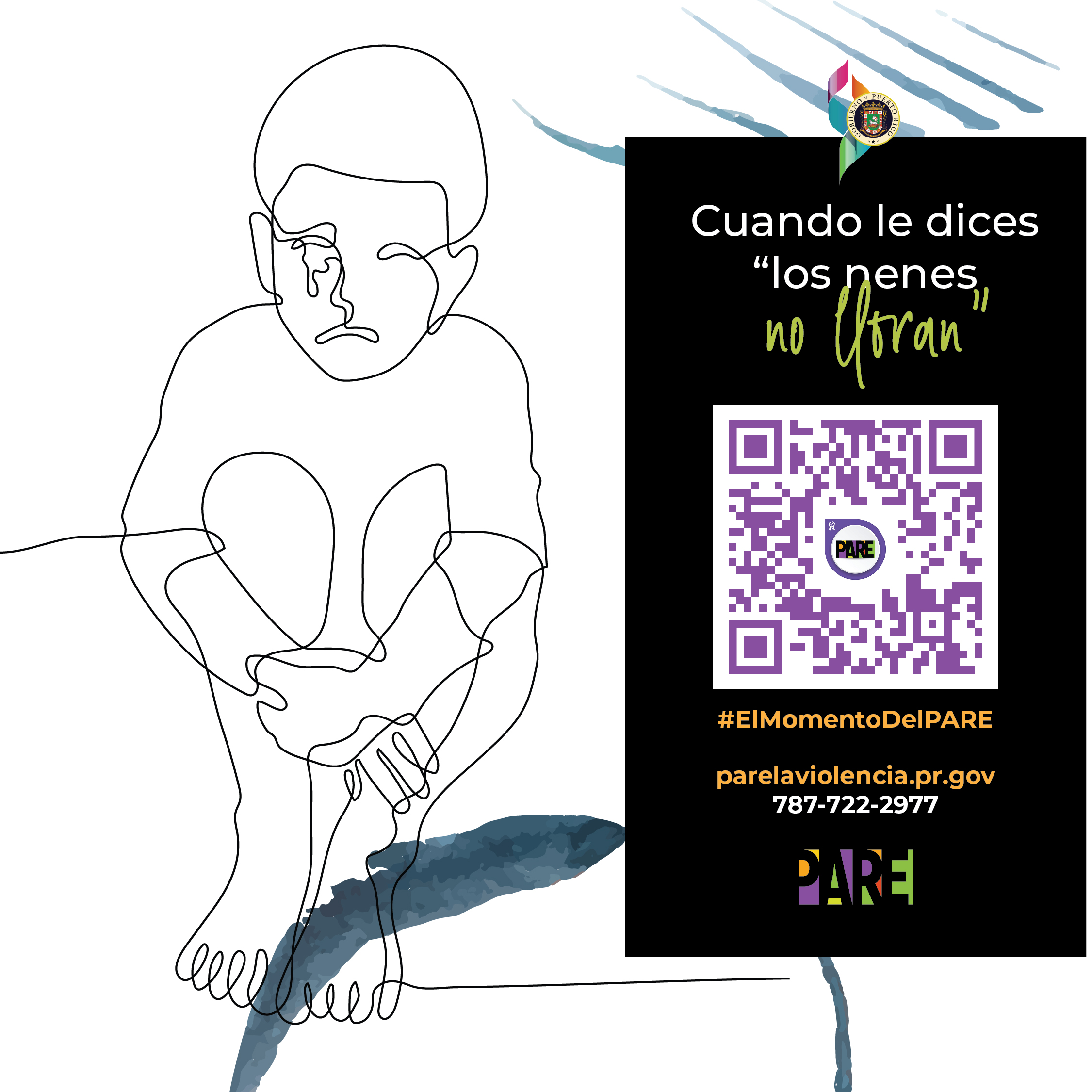
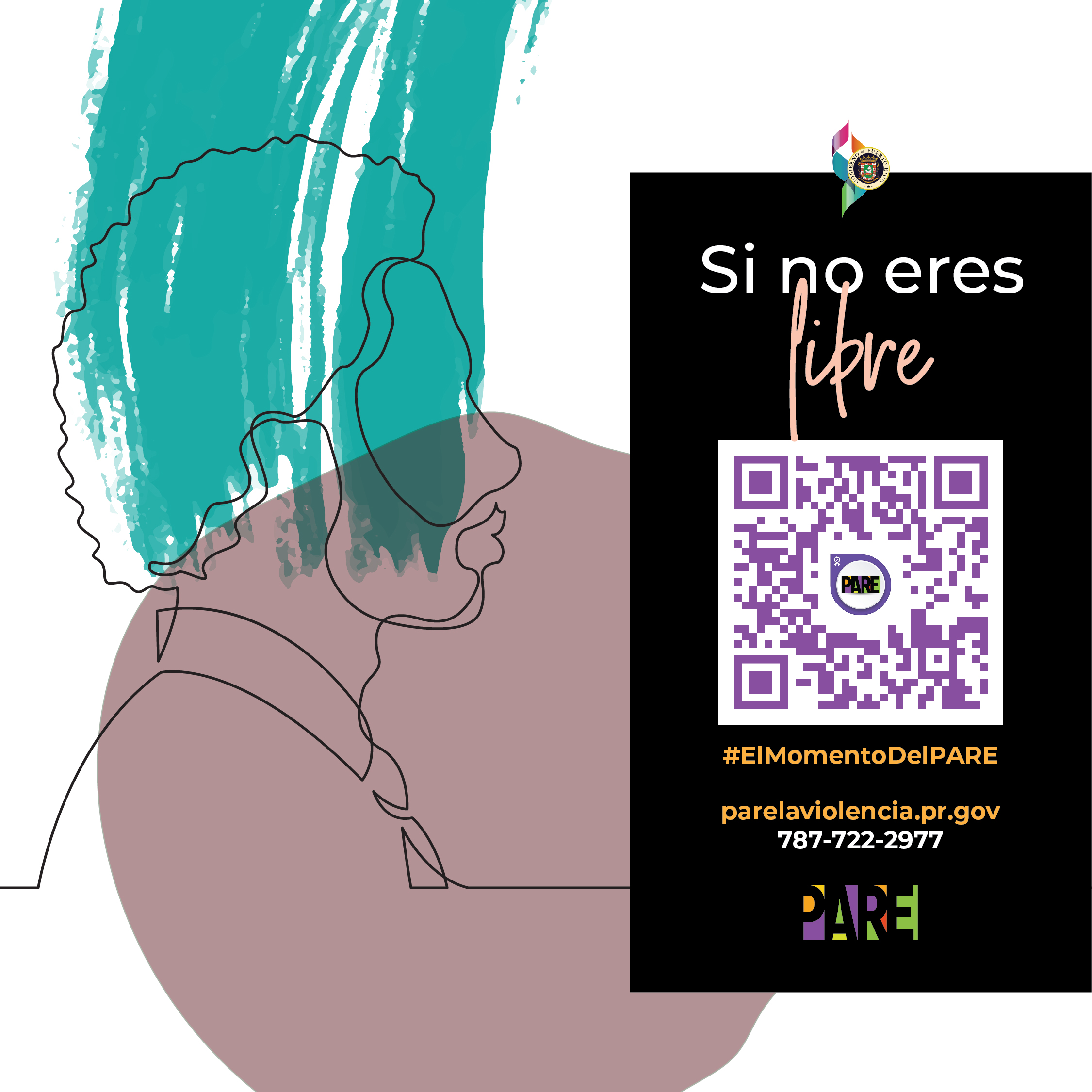
The Puerto Rico Statistics Institute joins 16 days of activism against gender-based violence, which is an annual international campaign that begins on November 25, the International Day for the Elimination of Violence against Women, and continues until December 10, Human Rights Day.

As part of the PARE Committee, the Institute invites them to access the Committee's educational materials on this topic.

Visit: https://parelaviolencia.pr.gov/

Share this article:

Visit our Official Activities, and participate with us

Visit our Calls for applications and be part of the new opportunities we have for you.

If you have any questions or just want to contact us, visit the Contact Us section.

We are at your disposal. If you need custom statistics, do not hesitate to contact us.

Sign up for our online workshops. Connect with the experts and discover the power of data!

Visit our Blog and keep up to date with the latest news and topics of interest.

Visit our Press Releases and stay connected to the Institute.

Explore the Publication Calendar and keep up to date with Puerto Rico's statistics.

Complete the form for the selection of our Statistics Coordination Committee

Suscribe to receive news directly to your email.

Listen to the Official PRIS podcast and stay informed with the experts

Statistics Institute Publishes Map on Response to the 2020 Census in Puerto Rico

PRESS RELEASE

Statistics Institute Publishes Map on Response to the 2020 Census in Puerto Rico

The geographical visualization allows us to see the progress of the response to the Census in municipalities

San Juan, Puerto Rico, May 1, 2020 — The Puerto Rico Statistics Institute (Institute) reported that they have made available a geographical visualization of the state of self-response to the 2020 Census in the municipalities of Puerto Rico. The visualization shows the different levels of response at the municipal level depending on the questionnaires completed and already received by the Federal Census Bureau. The tool allows you to easily compare the places where the response has been highest or lowest. More importantly, the visualization is updated several times each week, so it serves to monitor the progress of the response to the 2020 Census across Puerto Rico.

The visualization is nourished by self-response data reported periodically in the Federal Census Bureau's main visualization tool. However, since Puerto Rico has a different type of enumeration than other jurisdictions (updating and handing over the questionnaire to every household), the response rate has been different given the COVID-19 scenario. Therefore, at the moment, response values in Puerto Rico cannot be properly differentiated within the categories established in the visualization of the Federal Census. It is for this reason, and in order to be able to compare the progress of the 2020 Census response across Puerto Rico in an appropriate way, that the Institute prepared the geographical visualization available at: censo.estadisticas.pr, which is adjusted based on the values in the municipalities.

At the same time, municipal information of reference and interest was added to this interactive visualization. For example, position compared to other municipalities according to their percentage of self-response, estimated total housing units and percentage of occupied housing. The tool provides motivation, since residents of a municipality with a low response can become aware of this aspect, motivate themselves to do their part and at the same time motivate others to increase the percentage of their respective municipality.

“Field operations are temporarily halted due to the COVID-19 situation. In the case of Puerto Rico, enumerators will continue to deliver questionnaire packages to homes as soon as fieldwork resumes. We call on everyone to respond to the 2020 Census as soon as they receive the invitation. Whether you receive the invitation by post or subsequently by hand delivery to homes, the option to reply via the internet (https://2020census.gov/es.html) allows us to respond safely and quickly,” said Alberto L. Velázquez Estrada, Manager of Statistical Projects.

Census data plays a role in everyday life, as it helps to make decisions about the financing of services and infrastructure in the community, including health care, centers for the elderly, jobs, roads, schools, businesses and political representation. Therefore, they serve as a guide so that communities can obtain the fair funds they need, as well as to support companies to make decisions based on data that encourage the economy. Let's make sure we're all counted!

About the Puerto Rico Institute of Statistics

The Puerto Rico Statistics Institute is an autonomous governmental entity tasked with coordinating the government's statistical production service to ensure that the data collection and statistics systems, on which public policies are based, are complete, reliable, and accessible quickly and universally. In addition, as the leading entity of the SDC in Puerto Rico, the Institute manages the SDC portal, which contains the main statistical reports and publications of the U.S. Census Bureau about Puerto Rico, specifically those that are most in demand, such as annual population estimates, the Puerto Rico Community Survey (Puerto Rico Community Survey) and official statistics on Puerto Rico's 10-year population and housing censuses, among others. The Puerto Rico SDC portal can be accessed through: https://censo.estadisticas.pr/.

For more information you can visit the website: https://estadisticas.pr.gov/. In addition, you can follow the Institute on social networks, through Facebook (@estadisticas .pr), Twitter (@EstadisticasPR) and LinkedIn (Institute of Statistics of Puerto Rico) accounts.

##

Press Contact:

Idia Martinez 787-603-3200

imartinez@upfrontpr.net

Free workshops and webinars at the Puerto Rico Institute of Statistics

Free workshops and webinars at the Puerto Rico Institute of Statistics 2023

Workshops and Webinars free of charge at the Puerto Rico Institute of Statistics

For government officials and the general public

Starting today, September 18, 2023, pre-registration begins for the offer of workshops and Webinars free of charge from the Puerto Rico Institute of Statistics. This virtual offer of eight workshops with 12 sessions and four Webinars, will provide solutions for the access, management and analysis of government statistical data and are carried out with rigor and quality in content development by specialists.

The format online offers the opportunity to participate to government officials and the general public, since the format is asynchronous, that is, within the time available to the participant. In the same way, multiple sessions are included, allowing participants the flexibility to enroll on those dates that are most convenient. Interested individuals can complete pre-enrollment at https://estadisticas.pr.gov/academia.

The topics included are:

  • R statistical analysis software: one of the most commonly used open-access and user-friendly software for Data analytics and Data Science.
    • R basic: introductory workshop to help publicize and facilitate the adoption of this programming language for people interested in strengthening their resources for the processing, analysis, visualization and presentation of their statistical research.
    • RStudio: introduction to the integrated development environment (IDE, in English) for managing R, in the analysis, visualization and presentation of statistical analyses.
    • R Markdown: a comprehensive tool for generating reproducible reports and documents, which combine text, data analysis and visualizations.
    • Tidycensus: R library that facilitates the access and processing of data from the U.S. Census Bureau, such as the Census, population estimates and the Community Survey.
  • Tableau Public: free platform that allows the use of interface commands to explore, create and publish data and visualizations online.
  • Resources from the U.S. Census Bureau:
    • Population and housing data: presentation and performance of practical exercises on the tool https://data.census.gov/ to search for data on population and housing in Puerto Rico.
    • Access to microdata from the Community Survey: tool for customizing variable crosses for the analysis of population and housing data in Puerto Rico.
    • QGIS for analyzing data by geographical regions: QGIS is an open source Geographic Information System (GIS). In conjunction with data from the

U.S. Census Bureau, maps can be generated to analyze housing, economic, social and demographic issues.

On the other hand, the Webinars are live sessions, in which participants can connect via the Internet to a platform where they can watch and listen and ask questions to the speaker after completing the session.

The themes of the four Webinars They are:

  • Interactive tools for accessing statistics from the U.S. Census Bureau: discussion and practical exercises to obtain data from the Community Survey and the Decennial Census for statistical analysis on Puerto Rico and other jurisdictions.
  • Puerto Rico Manufacturing — Purchasing Managers Index: guidance on how to access this index and its subscripts, in addition to knowing how the data published in the monthly report prepared by the Institute are interpreted.
  • Rate adjustment calculator: guidance on the usefulness of the rate standardization process and in the development of a calculation template.
  • Preventing violence as a public health priority: guidance on the context of violence in Puerto Rico from a health perspective, where homicide statistics in Puerto Rico and worldwide will be presented.

The Puerto Rico Statistics Institute is a governmental entity in the executive branch, with fiscal and administrative autonomy, whose main purpose is to ensure that Puerto Rico has complete, reliable statistics that are quickly and universally accessible. To learn more about the Institute of Statistics, you can access the website: www.estadisticas.pr.gov. On social media through Facebook accounts (@statistics.pr), Twitter (@EstadisticasPR), Instagram (@institutodeestadisticas) and LinkedIn (Puerto Rico Institute of Statistics).

New York was not among the main destinations for emigrants

PRESS RELEASE

PUERTO RICO STATE DATA CENTER NETWORK (SDC-PR)

New York was not among the main destinations for emigrants

This is indicated in the most recent Migrant Profile 2018-2019

San Juan, PR, June 1, 2021 — During the calendar year 2019, data from the Community Survey for the first time (in 15 years) indicate that the state of New York was not among the top five destinations for emigrants who left Puerto Rico, a characteristic that used to be a constant of emigration from Puerto Rico. This was revealed in the 2018-2019 Migrant Profile, which was published today by the Puerto Rico Institute of Statistics, and which presents an overview of the migratory movement in Puerto Rico in the calendar year 2018 and 2019. In fact, New York did not rank among the top 10 destination states either, dropping to the eleventh position. Here are several key findings:

  1. In 2018, Puerto Rico's migration indicators showed that:
    • 133,000 people immigrated to United States states, increasing the previous year's mark based on the Community Survey
    • 113,000 people migrated to United States states in net terms, a new mark compared to information from the Community Survey
    • 40,000 people immigrated to U.S. states with some post-secondary education in net terms, according to the Community Survey
    • 89,000 air passengers from all destinations to Puerto Rico in net terms according to the Bureau of Transportation Statistics.
  2. The five states with the highest emigration from Puerto Rico in 2018 were Florida, Pennsylvania, Massachusetts, New York and Texas.
  3. In 2018, 36% of emigrants and 53% of immigrants lived in poverty, according to data from the Community Survey.
  1. In 2019, Puerto Rico's migration indicators reflected that:
    • 66,000 people immigrated to United States states, reducing the record of Community Survey data from the previous year (2018)
    • 35,000 people immigrated to United States states in net terms, the lowest figure since 2010 compared to information from the Community Survey
    • 13,000 people immigrated to U.S. states with some post-secondary education in net terms according to the Community Survey
    • 10,000 air passengers from Puerto Rico to all destinations in net terms according to the Bureau of Transportation Statistics.
  2. The five states with the highest emigration from Puerto Rico in 2019 were Florida, Texas, Connecticut, Pennsylvania and Massachusetts.
  3. By 2019, 30% of emigrants and 42% of immigrants were living in poverty, according to data from the Community Survey.
  4. During the year 2018 to 2019, the median income of immigrants from Puerto Rico (residing in the United States) increased from $15,239 to $16,976, which was about 11% higher in 2019.
  5. The migratory trend was strengthened, in the decade (2010-2019), in net terms:
    • 607,000 people migrated to the states, according to the Community Survey
    • 655,000 air passengers departed from Puerto Rico to all destinations according to the Bureau of Transportation Statistics.
  6. Among the specific occupations:
    • In 2018, it was estimated that 3,156 (+/- 1,638) emigrants were employed as retailers, 2,842 (+/- 1,305) were employed as teachers and tutors, and 2,769 (+/- 1,177) were employed as cashiers.
    • In 2019, it was estimated that some 1,727 (+/-1,030) emigrants were employed as cashiers and 900 (+/- 497) employed as teachers and tutors.

“The new publication shows the increase in the emigration movement in 2018, where estimates suggest that about 3% of the population moved from residence to outside of Puerto Rico. In terms of migratory destinations, New York did not rank, for the first time, among the top ten destination states in 2019. The change requires follow-up with new data, as they are published, to examine whether this trait will be the beginning of a change in the geographical trend of emigration from Puerto Rico, where other states in the southern and eastern regions of the United States will now continue to be those with the highest movement of migrants.” said Alberto L. Velázquez-Estrada, Manager of Statistical Projects at the Puerto Rico Institute of Statistics.

See more details and information about the 2018-2019 Migrant Profile, as well as previous publications, in the Publications section of the Puerto Rico Institute of Statistics through the following link: Publications.

The Puerto Rico Statistics Institute is an autonomous governmental entity responsible for coordinating the Government's statistical production service to ensure that the data collection and statistics systems, on which public policies are based, are complete, reliable, and have quick and universal access. In addition, as the leading entity of the Puerto Rico SDC, the Institute manages the Puerto Rico State Data Center (SDC) page, which contains products containing data and census information from U.S. Census Bureau about Puerto Rico, specifically those that are most in demand. The Puerto Rico SDC website can be accessed at: https://censo.estadisticas.pr/.

For more information you can visit our website: www.estadisticas.pr.gov. In addition, you can follow us on social networks through Facebook (@estadisticas .pr), Twitter (@EstadisticasPR) and LinkedIn (Institute of Statistics of Puerto Rico) accounts.

##

For questions:

https://preguntas.estadisticas.pr/

e-mail: alberto.velazquez@estadisticas.pr